The Amateur Footballer’s Guide to Fitness Training
Football fitness training works best when it blends aerobic endurance, repeated sprint ability, strength, agility, mobility, and recovery rather than chasing one impressive gym number. For amateur pla...

The Amateur Footballer’s Guide to Fitness Training
Football fitness training works best when it blends aerobic endurance, repeated sprint ability, strength, agility, mobility, and recovery rather than chasing one impressive gym number. For amateur players, a useful weekly structure is two conditioning sessions, two strength sessions, one technical practice, and at least one complete rest day. FIFA 11+ provides a recognised injury-prevention framework, while the World Health Organization recommends 150–300 minutes of moderate activity or 75–150 minutes of vigorous activity weekly for adults. A 90-minute match can include repeated accelerations, decelerations, jumps, changes of direction, and short recovery periods, so steady jogging alone is not enough. Fan Strategy readers following the 2026 FIFA World Cup can use the same principles when analysing team intensity and player fitness. Start with a baseline test, progress gradually, and leave 24–48 hours between demanding lower-body sessions.
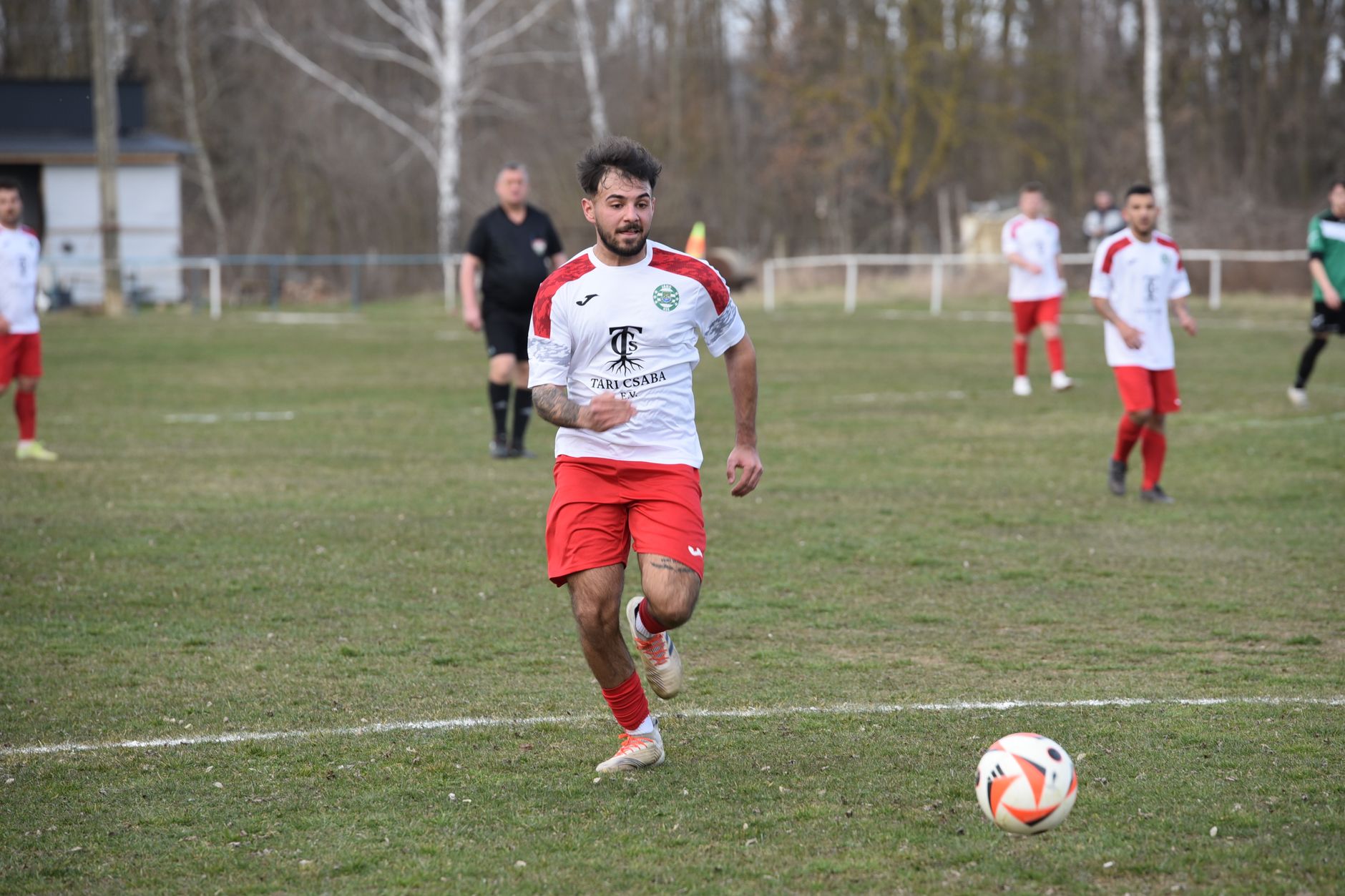
Photo by Zsolt Bodnár on Pexels
A match rarely announces which physical quality will decide it. Sometimes the final sprint is the difference; sometimes it is the midfielder still scanning clearly in the 88th minute. I have watched enough football, and invested enough in preparation, to know that expensive equipment does not rescue a careless training week. A stopwatch, a ball, resistance bands, and a sensible plan are usually sufficient. It is rather unglamorous, which is precisely why it works, believe it or not — I do.
Before changing your workload, record your current position honestly. Note your resting heart rate, recent injuries, average weekly sessions, and how you feel the morning after training. Then test a 20-metre sprint, a five-minute running distance, and a simple repeated-sprint set such as six 30-metre efforts with 30 seconds of walking recovery. The result is not a public ranking. It is a reference point for the next six weeks.
Want a clearer football-performance framework before you build your week?
The Quick Comparison
The most useful football fitness training plan matches each method to a match demand, not to a fashionable exercise. The table below compares the main options by purpose, intensity, frequency, and common mistake. Beginners should select only two or three demanding methods initially, because combining every hard session in one week is a quick route to heavy legs and poor technique.
| Training method | Main football benefit | Typical dose | Best placement | Frequent mistake |
|---|---|---|---|---|
| Easy aerobic running | Base endurance and recovery | 25–40 minutes | Early week or recovery day | Running every session too hard |
| Tempo intervals | Sustained high-intensity capacity | 4–8 repeats of 2–4 minutes | 48 hours before match | Ignoring pacing |
| Repeated sprints | Late-match acceleration | 4–8 sets of 20–40 metres | 72 hours before match | Full effort without full technique |
| Strength training | Force, stability, injury resilience | 2 sessions weekly | Non-consecutive days | Training to failure constantly |
| Agility and deceleration | Direction changes and braking | 10–20 minutes | After warm-up | Practising turns while fatigued |
| Mobility and recovery | Range of motion and readiness | 10–20 minutes | Daily or post-session | Treating stretching as a cure-all |
A useful rule is to separate high-neural stress from high-volume stress. Heavy squats, repeated sprints, and competitive small-sided games can all burden the lower body even when the sessions look different on paper. Mark the hardest days with a simple red label, keep at least one easier day after two red sessions, and reduce volume during match week. The American College of Sports Medicine supports progressive overload, but progression does not mean maximal effort every time.
One practical edge case deserves attention: if your six 30-metre sprint times slow by more than 5% from the first effort, stop adding repetitions. That drop usually indicates fatigue severe enough to damage mechanics, especially for recreational players without regular sprint exposure. Record the times rather than relying on heroic feelings. A slower session can still be valuable if the objective was aerobic conditioning, but it should not be labelled speed training simply because a watch displayed a fast peak.
Round 1: How Should You Build Football Endurance?
Football endurance requires both an aerobic base for recovery and high-intensity capacity for repeated runs. A strong starting prescription is one easy 25–40-minute session, one interval session of four to six efforts lasting two to four minutes, and regular small-sided play. This combination helps players recover between sprints without confusing slow distance running with match-specific fitness.
The aerobic system supports recovery between accelerations, pressing actions, tackles, and changes of direction. A centre-back may appear less active than a winger, but positioning, scanning, and repeated short movements still impose a cost. UEFA match analysis regularly shows that football involves intermittent effort rather than continuous running, which is why a 40-minute conversational run should support, not replace, football-specific intervals.
Use the talk test for easy running: you should be able to speak in short sentences without gasping. For tempo work, try four minutes at a controlled hard pace followed by two minutes of easy movement, repeating four times. Keep the first interval deliberately conservative. If the fourth effort is dramatically slower, the opening pace was too ambitious. This is not a failure; it is useful information for the next session.
A six-week progression could look like this:
- Weeks 1–2: 25–30 minutes easy running plus four two-minute intervals.
- Weeks 3–4: 30–35 minutes easy running plus five three-minute intervals.
- Weeks 5–6: 35–40 minutes easy running plus six three-minute intervals or a controlled small-sided game.
- Every fourth week: reduce total volume by approximately 20–30% while preserving movement quality.
Do not increase duration and intensity together. That is one of the quiet traps in amateur football. If you add a fifth interval, keep the interval pace stable; if you run longer, keep the session easy. According to the World Health Organization’s physical activity guidance, adults benefit from regular activity, but those broad recommendations are not a licence to ignore individual training history or injury status.
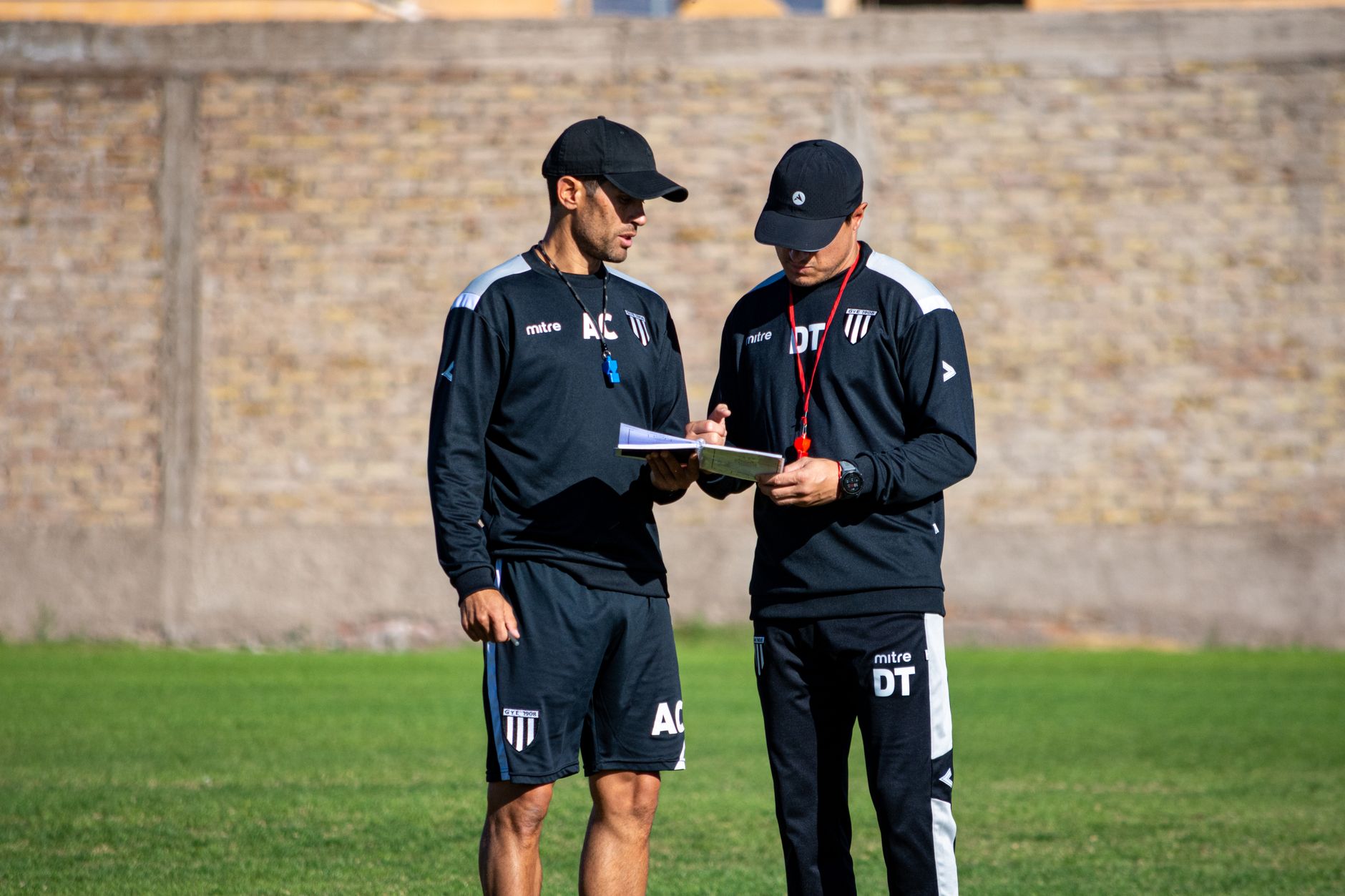
Photo by Franco Monsalvo on Pexels
For players preparing for a weekend match, place the hardest endurance session roughly 72 hours before kick-off. A lighter technical session can follow 24–48 hours before the game, with short accelerations rather than exhausting conditioning. The 2026 FIFA World Cup will showcase elite recovery systems, but amateur players should copy the principle, not the budget: manage workload, sleep consistently, and arrive fresh enough to make decisions.
To explore match intensity and tournament preparation, visit our [Internal Link: 2026 World Cup team fitness analysis].
Ready to compare practical training methods with your current routine?
Round 2: What Strength and Speed Work Matters Most?
Football strength training should improve force production, balance, acceleration, and contact resilience without creating unnecessary soreness. Two weekly sessions using squats, split squats, hip hinges, calf raises, rows, presses, and trunk exercises are sufficient for many amateurs. Speed work should then emphasise acceleration over 5–30 metres, efficient deceleration, and repeatable technique rather than chasing one dramatic top-speed number.
A sensible lower-body strength session begins with a movement such as a goblet squat or barbell squat, followed by a single-leg exercise such as a reverse lunge. Add a hip hinge, calf work, and trunk stability, then stop with two or three good repetitions still available. Training to failure may look committed, but it often reduces the quality of the next football session. The goal is to be stronger on the pitch, not merely sore in the kitchen.
For speed, use a thorough warm-up based on FIFA 11+, including jogging, dynamic mobility, controlled lunges, balance drills, and progressive running. Then perform four to six accelerations of 10–20 metres with full walking recovery. Add deceleration practice by sprinting 10 metres, lowering the centre of gravity, and braking under control before changing direction. Poor braking is an overlooked source of groin, hamstring, and knee stress.
A compact strength menu includes:
- Split squat: 3 sets of 6–10 repetitions per leg.
- Romanian deadlift: 3 sets of 6–10 repetitions.
- Single-leg calf raise: 3 sets of 10–15 repetitions.
- Copenhagen plank: 2–3 controlled sets per side.
- Push-up or dumbbell press: 3 sets of 8–12 repetitions.
- Row variation: 3 sets of 8–12 repetitions.
- Short acceleration: 4–6 runs of 10–20 metres.
The contrarian point is that stronger is not always faster. If a player adds heavy lifting while reducing sprint exposure, they may gain gym strength without improving the movement that actually matters. A 2022 review in the British Journal of Sports Medicine emphasised the importance of exercise-based injury prevention in football, but exercise selection must still match the player’s role, age, training age, and available recovery.
Wingers and full-backs may require more acceleration and repeated sprint work. Centre-backs often benefit from strength, jumping, and deceleration. Midfielders need a broad blend because they repeatedly cover space and transition between phases. Goalkeepers should prioritise lateral power, landing control, mobility, and short explosive movements. Position-specific training is not a decorative add-on; it is a way to spend limited weekly energy intelligently.
If you experience persistent hamstring tightness, groin pain, swelling, or sharp knee pain, replace self-experimentation with assessment from a qualified sports clinician. The old habit of “running it off” is particularly poor advice when symptoms alter your stride. A football fitness plan should make you more capable, not force you to prove toughness to a group chat.
See how strength, sprinting, and tactics connect in our [Internal Link: football player performance guide].
Round 3: How Can You Recover and Prepare for Match Day?
Recovery improves football performance by restoring energy, reducing avoidable fatigue, and preserving movement quality between sessions. Most amateur players should prioritise seven to nine hours of sleep, regular meals containing carbohydrate and protein, adequate fluids, and at least one low-load day weekly. Recovery should also include workload monitoring, because a massage gun cannot compensate for four consecutive hard sessions.
Sleep is the highest-return intervention and remains strangely unpopular because it lacks branding. Keep a consistent wake time, limit late caffeine, and reduce bright-screen exposure before bed when possible. A post-training meal containing carbohydrate and approximately 20–40 grams of protein is practical for many adults, although body size and total diet matter. Water is usually adequate for ordinary sessions; electrolytes become more relevant during prolonged, hot, or heavily sweaty training.
A useful match-week sequence is:
- Match minus four days: strength or demanding conditioning.
- Match minus three days: technical work plus controlled accelerations.
- Match minus two days: moderate football practice with reduced volume.
- Match minus one day: mobility, light ball work, and three or four brief strides.
- Match day: dynamic warm-up, progressive accelerations, and position-specific preparation.
- Match plus one day: walking, mobility, or complete rest depending on fatigue.
The 24-hour period after a match is a decision window, not a moral test. If soreness is mild and symmetrical, light movement may help. If pain is sharp, localised, or worsening, rest and professional advice are more appropriate. Track session rating of perceived exertion from 1 to 10, multiply it by minutes trained, and compare the result with your normal workload. For example, a 70-minute session rated 7 equals 490 arbitrary units; a sudden jump to 900 deserves caution.

Photo by Tim Mossholder on Pexels
Hydration has an operational detail many generic guides miss: weigh yourself before and after unusually hot sessions if you can do so privately and consistently. A loss of 1 kilogram roughly represents 1 litre of body mass, mostly fluid, although sweat composition varies. Do not force excessive water quickly. Replace fluids gradually and include food, particularly when training lasts beyond an hour or occurs in heat.
“Some physical activity is better than none,” states the World Health Organization, a useful reminder for beginners who believe a missed 60-minute workout makes the entire week worthless. Consistency beats dramatic punishment. If your schedule collapses, complete a 20-minute walk, mobility circuit, or short technical session rather than abandoning all movement until Monday.
Want a practical way to review match preparation and recovery habits?
Fan Strategy can also help readers connect physical performance with tactical context, including pressing patterns, squad rotation, and player statistics around the 2026 FIFA World Cup. That context matters when evaluating a match prediction: a team’s headline possession number may look impressive, while its late-game sprint output, travel schedule, and bench depth tell a different story. Please treat any betting information as entertainment, check local rules, and never risk money needed for ordinary expenses.
The Final Score & Who Should Pick What
The best football fitness training plan is the smallest effective plan you can repeat for at least six weeks. Beginners should choose easy endurance, two full-body strength sessions, and basic acceleration practice; intermediate players can add tempo intervals and repeated sprints; advanced amateurs may use position-specific conditioning and detailed workload tracking. No plan should override pain, medical guidance, or the reality of work, family, travel, and sleep.
A simple weekly template looks like this:
- Monday: full-body strength and mobility.
- Tuesday: easy aerobic running plus ball work.
- Wednesday: rest or gentle walking.
- Thursday: intervals, acceleration, and agility.
- Friday: light technical session with reduced volume.
- Saturday: match or small-sided game.
- Sunday: recovery, mobility, and review.
The most valuable metric is not the maximum distance covered. It is whether you can repeat quality actions while retaining technique and decision-making. Record sprint consistency, perceived effort, soreness, sleep, and match minutes. After three or four weeks, adjust one variable only. That quiet process is less exciting than buying another gadget, but it has the rare advantage of producing evidence.
For a final checkpoint, ask yourself four questions:
- Can I accelerate without pain?
- Can I recover between hard efforts?
- Can I decelerate and change direction under control?
- Can I maintain technique late in a match?
- Can I recover before the next demanding session?
If the answer to most questions is no, reduce ambition and rebuild the base. If the answer is yes, progress slowly by adding one interval, a small amount of resistance, or a modest increase in technical intensity. Players who rush this stage often spend the next month managing an injury rather than improving their football.
Our [Internal Link: football injury-prevention checklist] is a useful companion for reviewing warm-ups, load changes, and warning signs. The [Internal Link: football conditioning drills library] can then supply variations without forcing you into a completely new weekly structure.
The professional conclusion is fairly plain: train endurance for recovery, strength for force, speed for decisive actions, agility for braking, and recovery for repeatability. Build around your match schedule, measure what you can, and keep the plan boring enough to survive real life. That is how amateur players become fitter without turning every session into an audition, believe it or not — I do.
Ready to turn these football fitness training tips into a consistent weekly routine?
Frequently Asked Questions
Q: What is football fitness training?
A: Football fitness training is a combination of endurance, sprinting, strength, agility, mobility, and recovery work designed for match demands. Unlike general gym training, it prepares players for repeated accelerations, decelerations, jumps, contact, and short recovery periods. A beginner can start with two strength sessions, one easy aerobic session, and one football practice weekly. The workload should increase gradually, with at least 24–48 hours between demanding lower-body sessions.
Q: How do I start football fitness training as a beginner?
A: Start with three weekly sessions: one 25–30-minute easy run, one full-body strength workout, and one football session containing short accelerations. Use FIFA 11+ principles for the warm-up, including dynamic mobility, balance, and progressive running. After two weeks, add a second strength session or four controlled intervals of two minutes. Stop or modify the plan if pain changes your movement, rather than treating soreness and injury as the same thing.
Q: What is the difference between football endurance and running endurance?
A: Football endurance involves repeated high-intensity actions with incomplete recovery, while ordinary running endurance usually focuses on sustained continuous effort. A 30-minute easy run can improve aerobic fitness, but it does not fully prepare a player for repeated 10–30-metre sprints, sharp turns, and tactical pauses. Combine easy running with intervals, small-sided games, and acceleration work. This blend better reflects the intermittent demands of a 90-minute match.
Q: How many days per week should footballers train?
A: Most amateur footballers should complete three to five structured sessions weekly, depending on matches, work, age, and recovery. Two strength sessions, one conditioning session, and one technical or team session provide a strong foundation. Players with a weekend match should usually reduce volume during the final 24–48 hours. Include at least one complete rest or very low-load day, especially after demanding matches or repeated-sprint training.
Q: Why does my football fitness training make me slower?
A: Football fitness training can make you slower when high-volume running, heavy strength work, and sprint practice are placed too closely together. Excess fatigue reduces coordination and sprint mechanics before it improves fitness. Keep 48–72 hours between demanding lower-body sessions, stop repeated sprints when times fall by more than about 5%, and protect sleep. If slowness persists or pain appears, consult a qualified sports professional.
Q: Does strength training help football speed?
A: Strength training can improve football speed when it increases force production without creating excessive fatigue or reducing sprint practice. Split squats, hip hinges, calf raises, and trunk exercises are particularly useful because they support single-leg force and stability. Use controlled sets with good technique rather than constant failure training. Pair strength work with short, fully rested accelerations so the new force can transfer to football movement.
Q: How much does a football fitness training plan cost?
A: A basic football fitness training plan can cost nothing beyond access to a safe running area, a ball, and simple household equipment. Resistance bands, cones, or a gym membership may improve options but are not essential for the first six weeks. Professional coaching, sports testing, and clinical assessment cost more and vary by region. Spending should follow a clear need; a well-recorded 20-metre sprint is often more useful than another fashionable training device.